History & Culture
History and Culture of Torre del Greco
Free entry
★ Featured
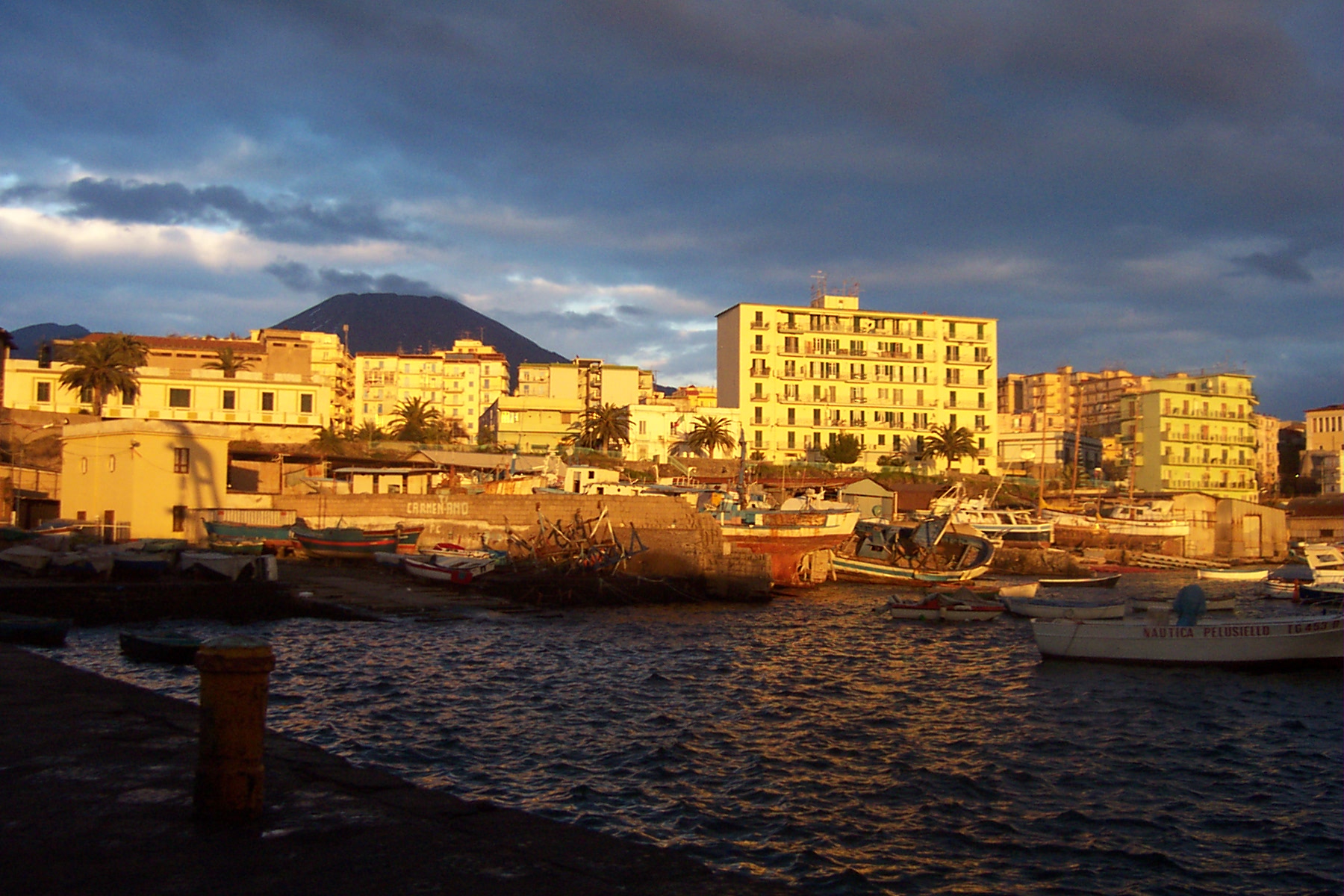
Set between the Bay of Naples and Mount Vesuvius, Torre del Greco tells a story shaped by the sea, lava and skilled craftsmanship. This stretch of coast has been inhabited since ancient times, with remains of Roman villas and a landscape deeply transformed by volcanic eruptions.
Mount Vesuvius has shaped the town’s history again and again. In 1794, an eruption covered part of the old town with lava; traces of that event can still be recognised in the historic centre today. It inspired the town’s motto: “Post fata resurgo” — “After death, I rise again.”
Torre del Greco is known around the world for the craft of coral and cameo carving. For centuries, local sailors and artisans have turned their connection with the sea into a precious art that is still alive in local workshops and collections.
As you walk through town, discover the Basilica of Santa Croce, the harbour, the coral-making tradition and places connected with Giacomo Leopardi, who spent the final years of his life at Villa delle Ginestre. It is an ideal stop for travellers looking to experience the most authentic side of the Vesuvian coast.
What to see
The historic centre and the Basilica of Santa Croce
Traces of the 1794 eruption of Mount Vesuvius
The harbour and maritime heritage
Coral and cameo workshops
Villa delle Ginestre, associated with Giacomo Leopardi
Visitor information
The historic centre is easy to explore on foot. Always check opening days, hours and access arrangements in advance for churches, museums, historic villas and underground sites.
Recommended visit time
Two hours to half a day.